Green chemistry: not cleaning up pollution, but never creating it
- green chemistry
- sustainability
- environment
Green chemistry aims to prevent pollution at source rather than deal with it afterwards. Its twelve principles, and what they mean for a manufacturer of cleaning chemicals.
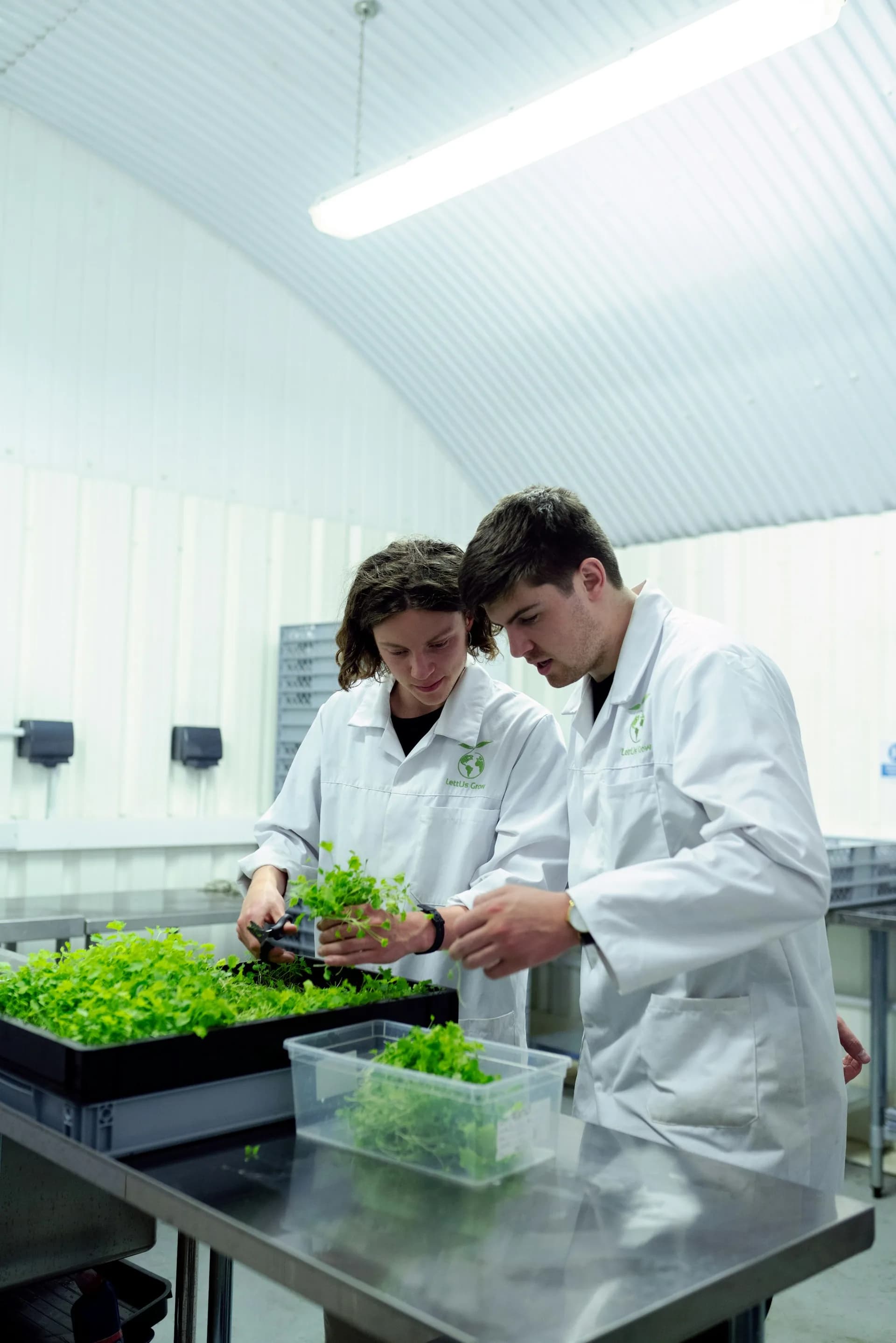
Consumption is one of the biggest sources of environmental pollution. As the population grows, so does demand, and as demand grows, so does industrial production. Since stopping production is not an option, the question becomes: how do we make the same product with less harm?
The core idea: prevention
Green chemistry, also known as sustainable chemistry, has its roots in the Pollution Prevention Act, which came into force in the United States in 1990. Its aim is to design chemical products and processes so that they reduce, or eliminate altogether, substances that are harmful to people and the environment.
The key concept is prevention: rather than using other chemicals to clean up pollution after it has formed, you build a process in which it never forms.
Twelve principles
The approach rests on twelve principles accepted by industry and academia. The first six concern the design of production: prevent waste before it is created; carry as much of the input material as possible into the final product (atom economy); work with the least toxic substances; design safer chemicals; minimise auxiliary substances such as solvents and separating agents; and cut energy demand by running processes at ambient temperature and pressure wherever possible.
The remaining six concern raw materials, processes and product life: use renewable feedstocks; avoid unnecessary derivatisation steps; prefer catalysts to stoichiometric reagents; design products to break down into harmless components at the end of their useful life; monitor processes in real time and intervene before pollution forms; and practise safer chemistry that keeps the risk of accidents to a minimum.
What it means for cleaning chemicals
For cleaning chemicals, these principles translate into concrete choices. Chief among them are selecting biodegradable surfactants, reducing the use of phosphates and chlorinated solvents, cutting packaging and transport loads with concentrated formulas, and lowering energy use with products that also work in cold water.
Biological products belong to the same framework. Using a product containing microorganisms and enzymes in a drain line, instead of a chemical drain opener, breaks down organic waste, solves the problem at source and does not damage the pipework. The same logic applies to solutions that remove the organic load behind an odour rather than masking it with fragrance.
Our motto is "We love nature, we protect nature". We aim to make environmentally friendly products with tomorrow in mind, not just today; the principles in this article also sum up the questions we ask ourselves when we assess a formula.