Limescale and corrosion: the hidden bill in water systems
- descaler
- corrosion
- maintenance
- energy efficiency
Even a thin layer of limescale on a heat transfer surface means burning more fuel. The order of descaler and corrosion inhibitor, dilution ratios and planned maintenance.
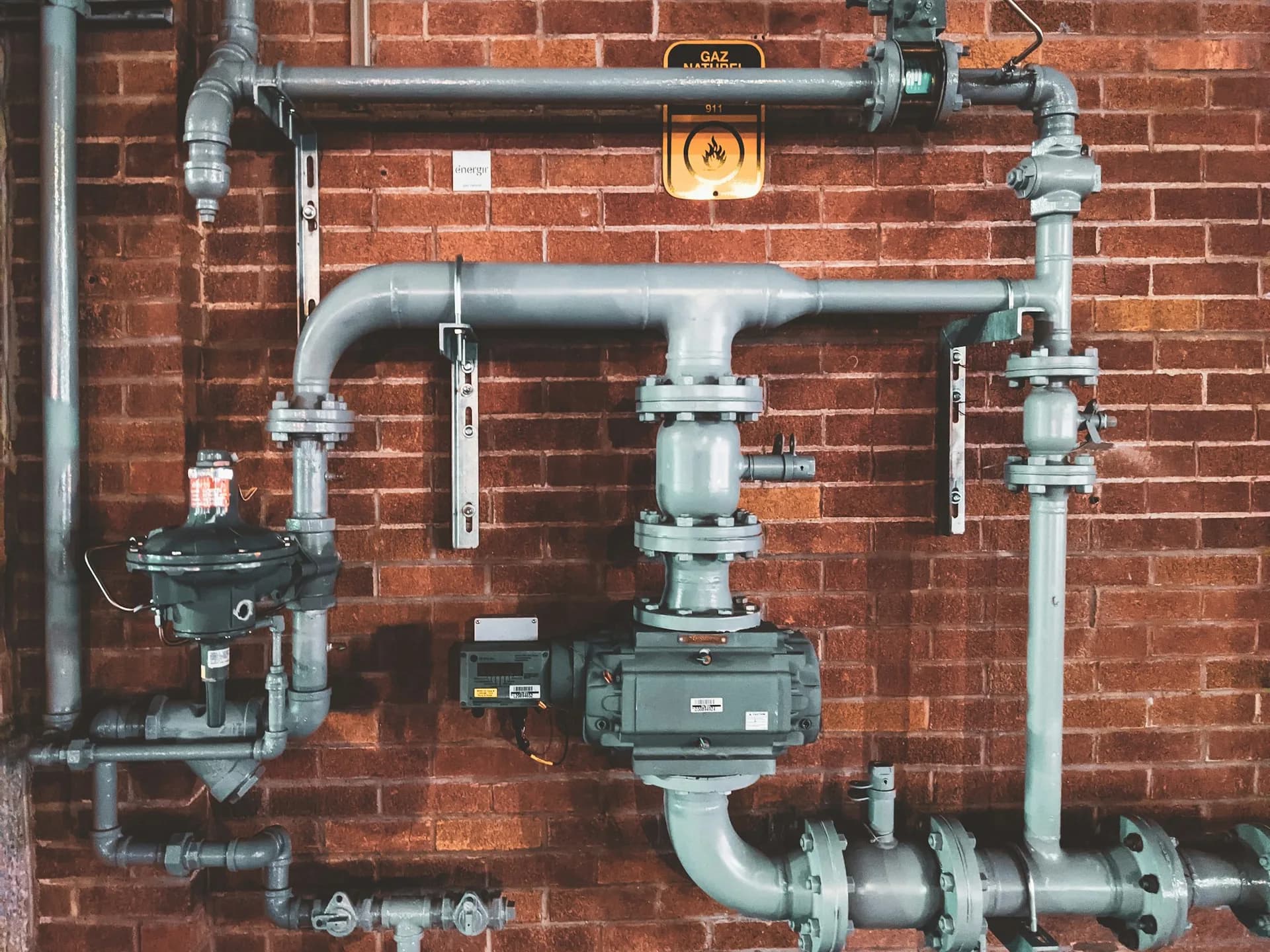
Water is the most widely used heat transfer fluid in industrial plants, and the one that causes the most trouble. The calcium and magnesium salts it contains become less soluble as the temperature rises and deposit on heat transfer surfaces. These deposits act as insulation: a thin layer of limescale on a boiler tube or heat exchanger plate means using more fuel or electricity to reach the same temperature.
Limescale never comes alone
In the same system, dissolved oxygen and chloride ions set off corrosion. Rust and sludge combine with limescale into a layered crust, and the metal beneath it corrodes faster because of the difference in oxygen concentration. A system that is not cleaned does not just lose efficiency; it wears itself away.
Dissolve first: inhibited acid
The first step is chemical cleaning with an acidic limescale and deposit remover. The critical point is the inhibitor: an uninhibited acid attacks the metal while it dissolves the scale. At the right dilution, inhibited products such as the FORCE FLOTT range work on many surfaces, including copper and aluminium, without etching them, and hold the dissolved scale in ionised form so that it does not cause new blockages.
The dilution ratio depends on the degree of fouling; the typical range is 1/5 to 1/20. In a heavily scaled system, extending the circulation time is safer than making up an overly concentrated solution. After cleaning, the system must always be rinsed and neutralised, as any acid left behind speeds up corrosion.
Then protect
In closed-loop systems, cooling towers and steam boilers, rust and corrosion inhibitors added to the circulating water form a protective film on the metal surface and stop attack by oxygen and chloride. With super-concentrated products such as FORCE FREE, a dose between 1/50 and 1/100 is usually enough. The quantity should be calculated from the system volume and topped up as the water is renewed.
Open cooling towers have a further problem: algae and biofilm. Biofilm reduces heat transfer and causes localised corrosion underneath. Algae inhibitors keep this risk under control by preventing the growth of bacteria and other microorganisms.
Plan before the breakdown
The right approach is not to react after a breakdown but to plan maintenance. Having the water analysed, monitoring hardness and conductivity regularly, and adjusting cleaning and inhibitor dosing to those readings reduces both energy consumption and unplanned downtime. Forces Kimya provides on-site support with product selection and dosing plans.