Hygiene in high-traffic areas: clean first, then disinfect
- industrial cleaning
- hygiene
- disinfection
On a surface touched by hundreds of people, household products are not enough. The difference between cleaning and disinfection, and four features that set an industrial cleaning chemical apart.
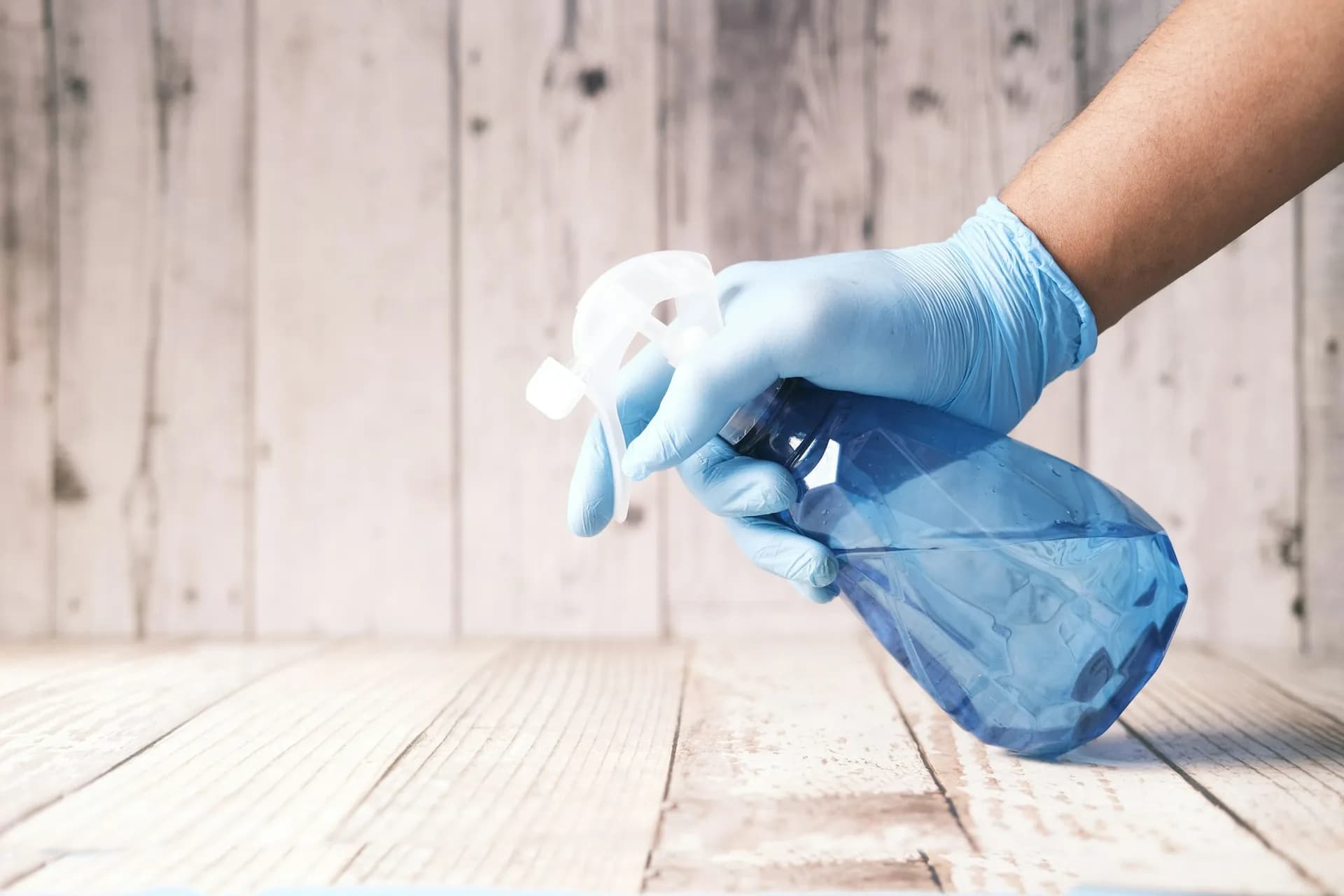
An office, a canteen, a hospital corridor, a factory changing room. Every area used by crowds shares the same problem: hundreds of people touch the same surfaces, and the load of dirt and microorganisms bears no comparison with a home. Choosing a cleaning product for these spaces is not a cosmetic decision but a health decision.
Cleaning and disinfection are separate jobs
Cleaning removes visible dirt, dust and organic residue from a surface. Disinfection reduces the microorganism load on that surface to an acceptable level. When a disinfectant is applied to a dirty surface, the active ingredient is used up by the dirt and the expected effect is lost. That is why the order never changes: clean first, then disinfect.
Most of the problem lies in what you cannot see. Microorganisms too small for the naked eye spread quickly in heavily used spaces. At this scale, household products often fall short.
What makes an industrial product different?
The first is concentration. A concentrate is diluted with water at the point of use. Transport and storage loads fall, and the same product can be made up into solutions of different strength by adjusting the dosage to the level of soiling.
The second is a formula built around the surface. Stainless steel, epoxy floors, aluminium coils and painted metal do not react the same way to the same chemical. A product that performs well on one surface can leave stains or corrosion on another.
The third is foam control. In scrubber-dryers, pressure washers and parts washers, excess foam damages the machine and prolongs rinsing. Controlled-foam products are developed specifically for this equipment.
The fourth is suitability for the setting. Food production areas call for odour-free, solvent-free formulas that can dissolve animal and vegetable fats; in hospitals, products that dry quickly without leaving streaks take priority.
Dosage matters as much as the product
Too little product does not do the job, so the work has to be repeated. Too much leaves residue on the surface, lengthens rinsing and wastes money. The right ratio depends on water hardness, the type of dirt and the application equipment.
That is why Forces Kimya representatives first trial the product on site and agree a dosage that suits the conditions of the business. The training given to users after the sale means the same result is achieved every day.
In businesses where very different surfaces sit side by side, such as food production, healthcare and hospitality, working with one manufacturer's product family also simplifies the hygiene plan. Which product is used where, and at what ratio, fits into a single table.